
I often think we are usually wondering less about how to say no and more about questions like; Am I allowed to say no? How can I possibly say no to this person I always say yes to? What will people think if I start saying no? What is the excuse I am going to offer for saying no? How can I stop feeling guilty when I want to say no?
Maybe it’s a combination of all of those things. The idea of saying no, especially without a well-crafted explanation or excuse brings up a bunch of feelings. You may experience everything from joy, excitement and freedom to dread, guilt and remorse.
8 Tiny notes to help you say no (with more ease and less guilt)
One of the reasons we feel guilty about saying no is that we are so used to doing anything we can NOT to disappoint others, even if that means disappointing ourselves. Confrontation isn’t fun for most of us either so instead of saying no, we say yes only to notice regret and resentment rise up. There are some examples of how to say no to people here, but what we don’t need is a brilliant excuse. “No thank you” or “Thanks for thinking of me, I’m going to pass” both work very well. Per usual, less is best.
1. Say no when there isn’t room for another yes.
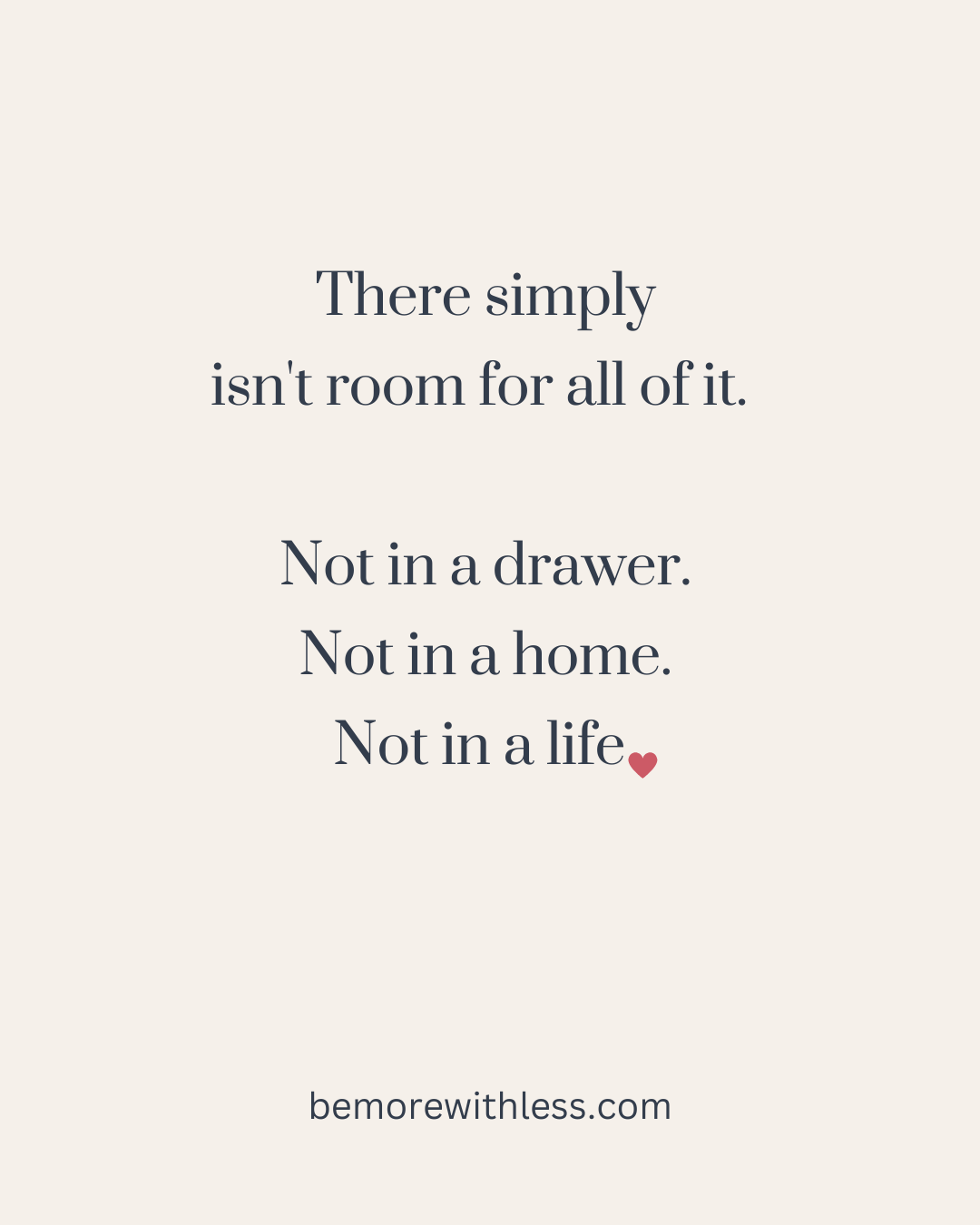 When thinking about how to say no, instead of crafting an elaborate excuse about your unavailability, consider that you are simply out of room. Look at your calendar, your to-do list, your head space … check in. Is this really the right time to take on something new?
2. You have to say no to you too.
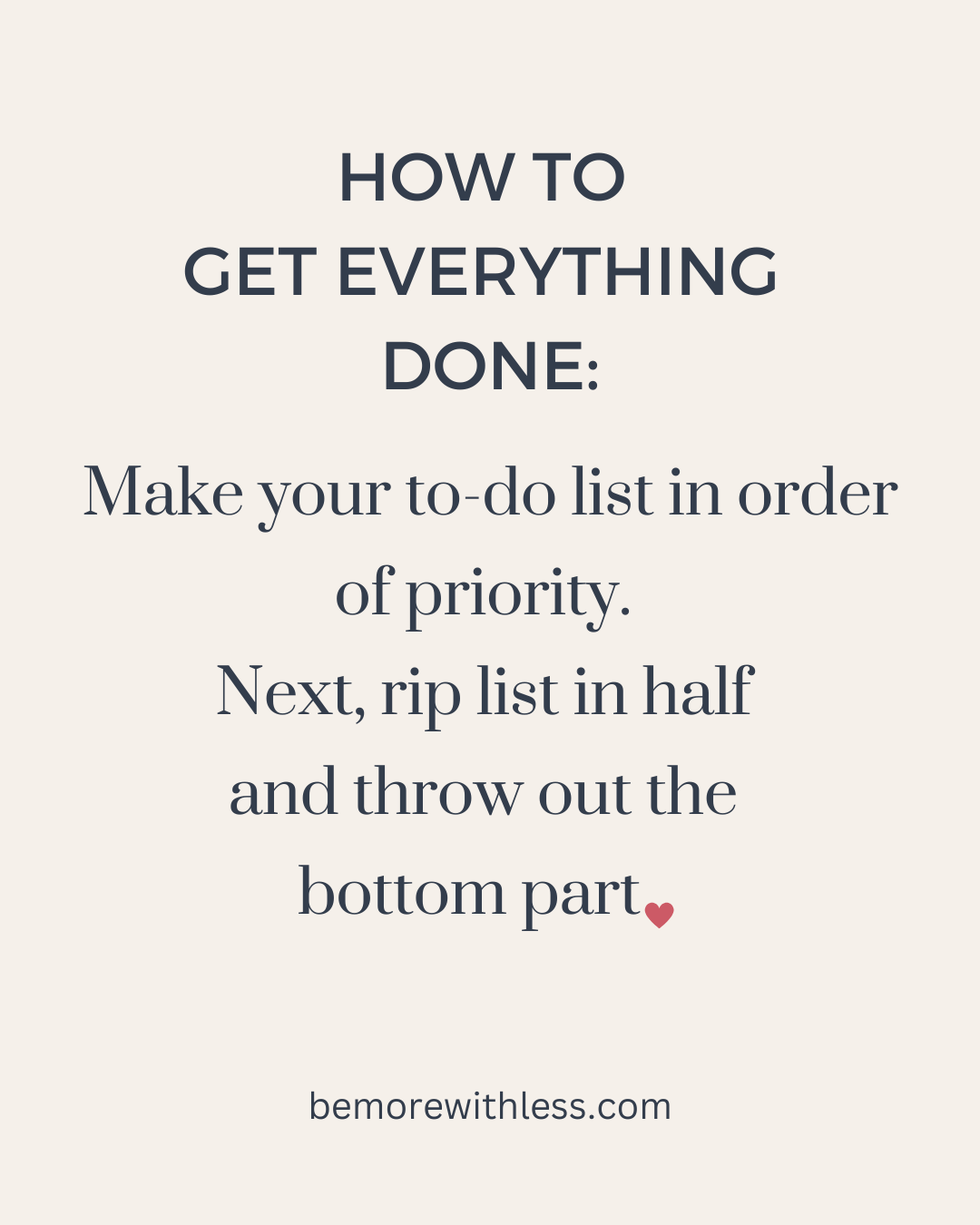 Before you worry about how to say no to anyone else, say no to yourself. Say no to adding one more thing to your to-do list. If it’s already too long, rewrite it in order of priority, tear it in half and throw the bottom half away. Sometimes, when our lists are too long we either get distracted with the idea that there is too much to do, or we feel like we aren’t good enough because we don’t get enough done. This measurement system is broken.
3. Say no to shutting down your feelings.
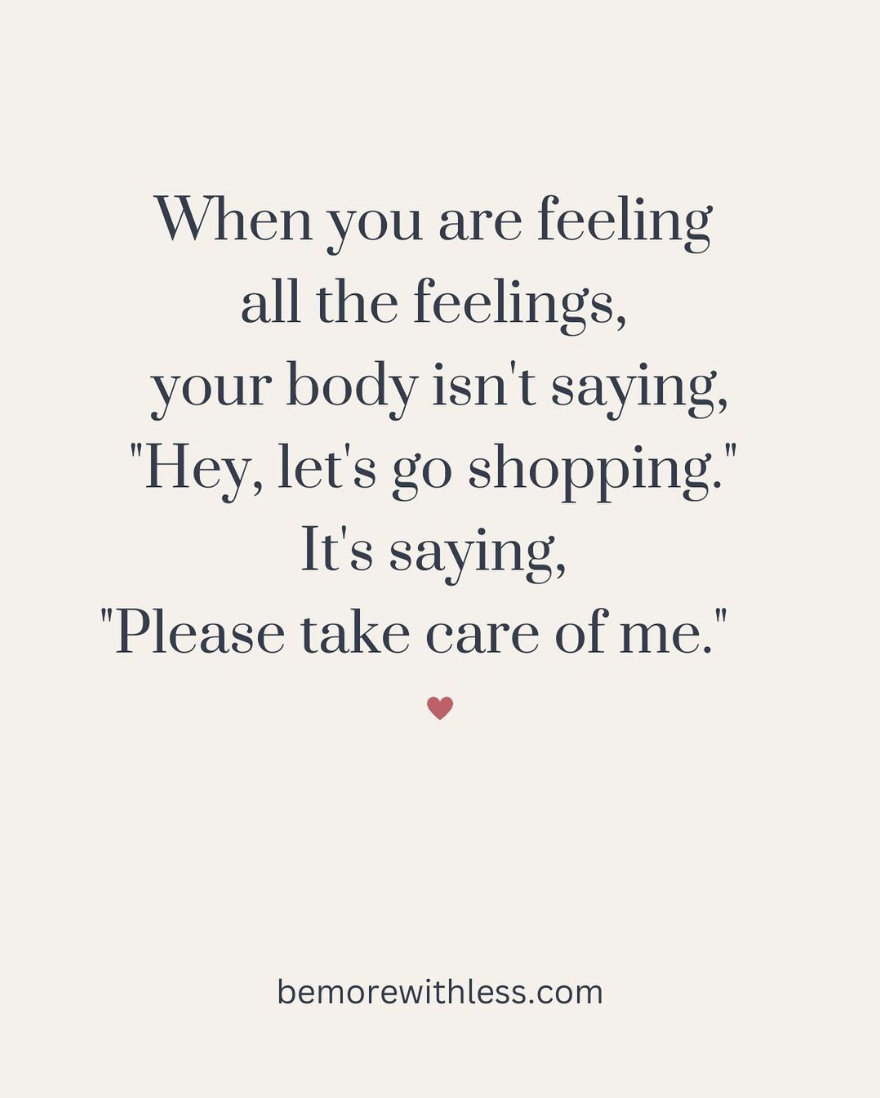 I wrote this in my book, Soulful Simplicity as a reminder to you (and to me) that we can’t shop, drink or busy our way out of feeling what we we feel. When you are overwhelmed, tired, sick or feeling down, your body is NOT telling you to go shopping, add to cart, open the wine, work harder or do more.
When you think about how to say no to your feelings, remember that we can’t escape ourselves and the sooner we realize that we don’t have to fix our feelings, the sooner we can notice that for the most part, they come and go. Some need our attention. Some don’t. And the ones that do need our attention don’t need us to numb them or shove them down, they simply ask us to take care, to slow down, to be gentle.
It’s so tempting to quiet the feelings with outside forces but instead, come back to yourself. Remember that you are a force that can comfort and heal.
4. Say no to giving your attention away.
 Save your time, energy and attention by deciding to hardly respond to anything.
You don’t have to respond to …
- Your Facebook friend’s political post.
- An online article you don’t agree with.
- Typos or bad grammar (unless you are a teacher).
- Unsolicited advice.
- What you think someone thinks about you.
- Most things.
Say no to giving away your attention.
5. Say no to fixing, saving and controlling.
 Think of all the energy you save when you know how to say no to running around making sure everything is ok and yes to just standing there shining. And doesn’t it make sense that the more we protect our time and energy, the more we have to give to ourselves which will allow us to shine even more brightly? And when we are shining brightly, won’t we have more capacity to help our people and communities, take care of ourselves and enjoy our lives? Say no to running around and yes to being a lighthouse.
6. Say no to the call of more.
7. When you say no, you make room to say yes.
 Because I trust my heart, I can say no without apology which gives me time and energy for a whole-hearted yes.
8. You don’t have to fill all the space.
 You are allowed to say no even when you aren’t busy. Just because you have time or availability for something doesn’t mean you must automatically say yes. You are the only one who can protect your time. Don’t create space for more stuff or more doing things. Create space for more life, for more being you.
Learning to say no without guilt or apology comes with practice. Start by saying no to yourself and then practice with others. Before long, you’ll become more discerning about what is right for you and what isn’t. Then, one day and opportunity will arise, or you’ll have an idea that sparks your interest and you’ll have time, energy and attention for big, happy, easy YES.